
August 1, 2023
Most people pay attention to their teeth. But to their gums? Not so much.
This typically changes when something starts feeling off. Perhaps a tooth has developed a sensitivity to cold drinks, or maybe your gumline looks a bit different in the mirror. Or perhaps your dentist informs you that a section of a root is showing.
This may be a sign of gum recession, which occurs in many adults over time.
The best thing is that receding gums can frequently be addressed before they create more severe issues. Gum grafting is one of the procedures your dentist might suggest. Despite the scary name, this treatment has saved teeth, reduced sensitivity, and vastly enhanced overall gum health for countless patients.
Now, let’s find out more about what gum grafting is and why it may be suggested.
Gum grafting is a technique for replacing gum tissue that has been lost around a tooth. When gums recede, the roots are exposed. The root is not protected with the enamel as the crown is. It may therefore be more susceptible and more liable to injury.
A gum graft involves covering the area with healthy tissue to restore gum coverage and provide a more robust gumline.
Sometimes, gum grafting is more than about looks. It can enhance the appearance of a smile, but most often, it helps to preserve the tooth itself.

There isn’t one simple answer.
Sometimes gum recession is linked to periodontal disease. In other cases, it develops in people who have never had serious gum problems.
We’ve seen patients with recession caused by years of brushing too aggressively. We’ve also seen patients who inherited thinner gum tissue and developed recession despite having excellent oral hygiene habits.
Other factors may include:
One thing is fairly consistent, though: gum recession tends to happen gradually. That’s why many people don’t realize it’s occurring until sensitivity starts becoming noticeable.
Not every case of gum recession requires surgery.
If the recession is minor and stable, your dentist may simply monitor the area during routine exams. A gum graft usually becomes part of the conversation when the recession is progressing, causing symptoms, or creating concerns about the future health of the tooth.
For some patients, sensitivity is what finally brings them into the office.
Cold water suddenly feels uncomfortable. Brushing certain areas becomes unpleasant. Even breathing in cold air can trigger discomfort.
For others, the issue is cosmetic. Teeth may appear longer than they used to, or the gumline may begin to look uneven. Whatever the reason, the goal is the same: protecting the tooth and preserving healthy gum tissue.
One of the most common questions we hear is, “What exactly happens during a gum graft?”
The process starts with a thorough evaluation. Your dentist or periodontist will examine the affected area, discuss your symptoms, and determine whether grafting is the right solution.
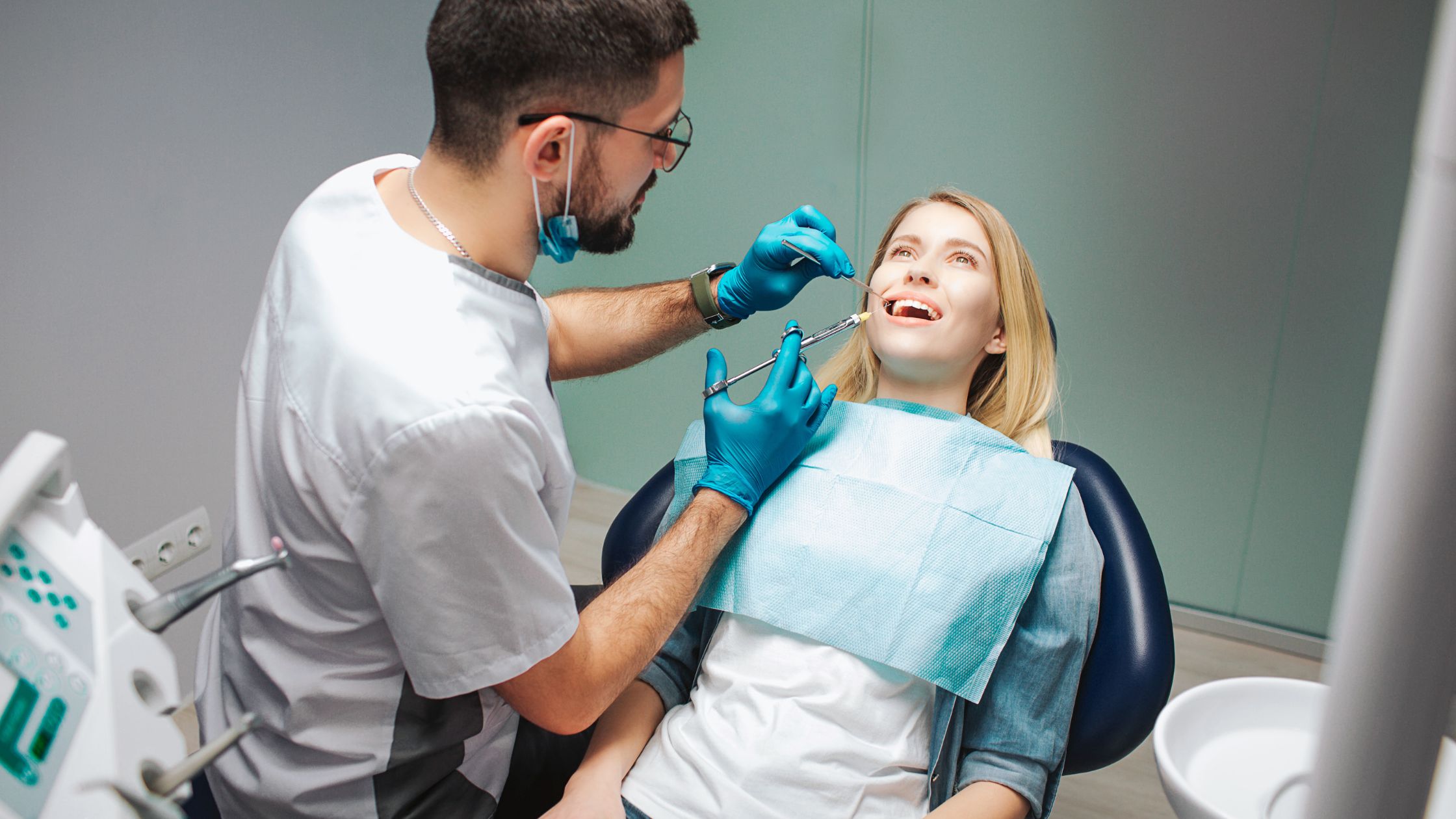
On the day of treatment, the area is numbed so you remain comfortable throughout the procedure. Depending on the technique being used, tissue may come from another area of your mouth or from a donor source. The tissue is then carefully positioned over the exposed root and secured in place.
Once healing begins, the graft gradually becomes integrated with the surrounding tissue. While every patient is different, many people are surprised by how straightforward the procedure actually feels.
Yes. The type of graft used depends on your specific needs and the condition of your gums.
A connective tissue graft is one of the most commonly performed procedures and is often used when root coverage is the primary goal.
Some patients may benefit from a free gingival graft, which can help increase the thickness of gum tissue. In other situations, nearby tissue can be repositioned to cover the exposed root, or donor tissue may be used. Your dentist will recommend the approach that makes the most sense for your particular case.
Read More: What to Know About Cavity Fillings and Procedure Work
The recovery period is often easier than patients expect. Most people experience some tenderness for a few days. Mild swelling is also common.
During the first week, softer foods are usually the safest choice. Yogurt, eggs, oatmeal, soups, smoothies, and mashed potatoes tend to be popular options.
Your dentist may also recommend avoiding certain brushing and flossing techniques near the treatment area until healing is further along.
Every patient heals at a different pace, but many people are back to their normal routines fairly quickly. The key is following the instructions provided by your dental team.
There isn’t a single answer because every case is different. The total cost will be based on considerations including:
The best way to understand your treatment cost is through a consultation and personalized treatment plan.
Patients wonder if dental bonding can help alleviate the same issues.
Bonding can be used to fill in exposed root surfaces and to enhance the appearance. In some cases, it can also make them less sensitive.
However, bonding won’t replace missing gum tissue. A gum graft corrects the specific gum loss and promotes the re-establishment of protection around the tooth. This is why it is recommended that, in the event that the recession has reached a stage where cosmetic issues are no longer the main concern.
The majority of patients who have opted for treatment tell us that they wish they had done something earlier.
Once a recession starts, it generally doesn’t reverse on its own. By waiting, the sensitivity can worsen, and it can also be more likely to lose more gum tissue.
A gum graft isn’t about creating a perfect smile. It’s about preserving healthy teeth and gums for the future. That’s a good long-term investment in their oral health for many patients.
At first, it’s easy to ignore gum recession. There’s a gentle touch of sensitivity here. Or a slightly longer-looking tooth there. Yet those slight changes may indicate something far more significant is going on under the surface.
If you are experiencing symptoms of receding gums or have been advised that you may need a gum graft, feel free to ask questions. Knowing what your choices are is the first step to safeguarding your smile for years to come.
Gum grafting procedure is performed using local anesthesia, so you should not feel pain during treatment. Some soreness afterward is normal and typically manageable with prescribed or over-the-counter medications.
Most patients feel significantly better within one to two weeks, although complete healing can take longer.
Unfortunately, no. Once gum tissue has receded, it does not typically regenerate on its own.
In many cases, yes. Covering exposed roots often reduces sensitivity to hot, cold, and sweet foods.
With good oral hygiene and regular dental care, results can last for many years.


Do You Need a Bone Graft Before Getting Dental Implants?

Root Canal Treatment: How It Saves Natural Teeth and Prevents Infection
| M | T | W | T | F | S | S |
|---|---|---|---|---|---|---|
| 1 | 2 | 3 | 4 | 5 | 6 | 7 |
| 8 | 9 | 10 | 11 | 12 | 13 | 14 |
| 15 | 16 | 17 | 18 | 19 | 20 | 21 |
| 22 | 23 | 24 | 25 | 26 | 27 | 28 |
| 29 | 30 | |||||